

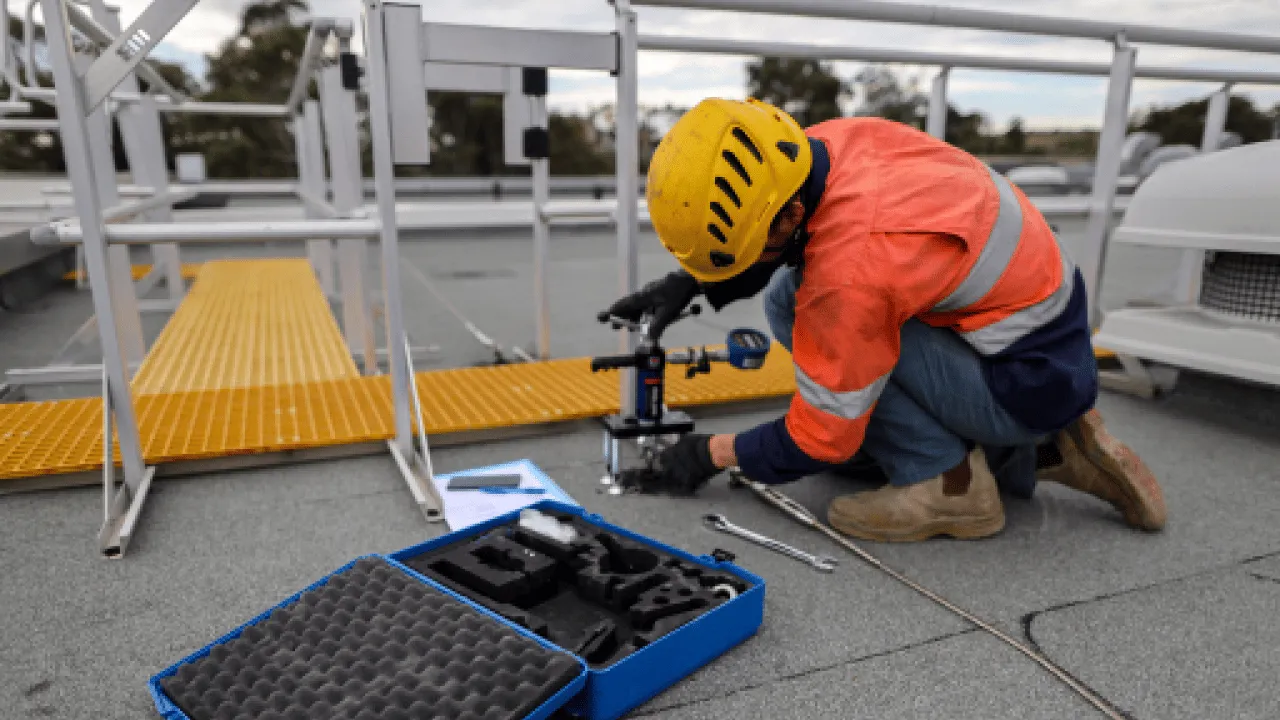
Following the nationwide focus on combustible cladding, commercial property owners across Sydney have become more aware of the importance of facade safety. Many buildings have already undergone cladding assessments, while others continue to review their compliance as regulations and maintenance requirements evolve. However, one aspect that is often overlooked during these inspections is how maintenance teams will safely access the building for future inspections, repairs, and ongoing compliance checks.
This is where combustible cladding compliance Sydney and height safety system installation Sydney become closely connected. A compliant building is not only one that meets cladding requirements but also one that allows maintenance professionals to safely inspect and maintain its exterior throughout its lifecycle.
Compliance Doesn’t End After an Inspection
Many building owners assume that once a cladding inspection has been completed or remediation work has finished, the job is done. In reality, building compliance is an ongoing responsibility.
External facades continue to face harsh environmental conditions, including heavy rainfall, UV exposure, wind, and pollution. Over time, sealants deteriorate, fixings loosen, coatings wear away, and building materials naturally age. Regular inspections remain essential to ensure the building continues to perform safely.
Without safe access systems, carrying out these inspections becomes far more difficult, which may result in maintenance being delayed or overlooked.
Why Safe Access Matters
Every commercial building requires periodic maintenance. Whether technicians are inspecting facade panels, checking sealants, repairing joints, or assessing waterproofing, they need a secure way to work at height.
Permanent height safety system installation Sydney provides that solution.
These systems are designed to allow authorised maintenance personnel to safely access rooftops, facades, and other elevated areas while reducing risks associated with working at height. Unlike temporary access methods, permanent safety systems remain available whenever inspections or repairs are required.
For building owners, this means maintenance can be scheduled more efficiently without relying on complex access arrangements every time work is needed.
Common Areas That Require Regular Inspection
Cladding systems are only one part of a building’s exterior. During routine maintenance, several other components also require careful inspection to ensure they remain in good condition.
These commonly include:
-
External facade panels.
-
Expansion joints.
-
Window sealants.
-
Roof edges and parapets.
-
Waterproofing systems.
-
Balcony connections.
-
Mechanical equipment located on rooftops.
Safe access to these areas allows maintenance teams to identify developing issues before they become expensive repair projects.
The Risks of Delaying Compliance Reviews
Buildings naturally change over time. Materials expand and contract with temperature changes, moisture affects protective coatings, and normal ageing gradually impacts the performance of exterior systems.
If compliance reviews are delayed, small defects can remain undetected for extended periods. This may lead to water penetration, loose facade elements, corrosion, or deterioration that requires more extensive repairs later.
Regular reviews also help property owners keep accurate maintenance records, making it easier to demonstrate that the building has been managed responsibly throughout its lifecycle.
Planning for Future Maintenance
One of the biggest mistakes commercial property owners make is treating compliance as a one-time project rather than an ongoing process.
A practical maintenance strategy should consider not only today’s inspection requirements but also how the building will be maintained over the next 10 or 20 years.
Questions worth considering include:
-
Can maintenance teams safely access every part of the building?
-
Are rooftop safety systems suitable for future inspections?
-
Will future facade repairs require temporary access equipment?
-
Is there a documented schedule for ongoing inspections?
Answering these questions early helps building owners avoid unnecessary delays and unexpected maintenance costs.
A Smarter Long-Term Investment
Investing in combustible cladding compliance Sydney is about protecting people, property, and the long-term performance of commercial buildings. Pairing compliance reviews with professional height safety system installation Sydney creates a practical foundation for future maintenance, making inspections safer, faster, and more efficient.
Instead of approaching compliance and safety as separate responsibilities, building owners can integrate both into a single long-term asset management strategy. This approach not only supports regulatory obligations but also simplifies future maintenance planning.
Conclusion
Commercial buildings require regular inspections long after initial construction or remediation work has been completed. Ensuring combustible cladding compliance Sydney helps reduce safety risks and supports ongoing regulatory requirements, while height safety system installation Sydney provides maintenance professionals with secure access to inspect and maintain building exteriors.
By considering these two elements together, property owners can create a safer, more efficient maintenance program that protects their investment, supports compliance, and ensures the building remains fit for purpose well into the future.