

A familiar commute can become stressful when a car starts squealing at stoplights or vibrating during a routine slowdown. Braking problems often develop gradually, making it tempting to postpone an inspection until the next scheduled service. However, changes in stopping distance, pedal feel, and vehicle direction deserve prompt attention. Drivers exploring brake repair woodstock services should understand which symptoms suggest worn components and which demand immediate action.
Listen Carefully to Changes in Braking Sounds
An occasional squeak does not identify a specific failed part. Dust, moisture, and certain pad materials can produce noise. Persistent high-pitched squealing, though, may indicate worn pads or contact between components that warrants an inspection.
Grinding is more concerning because it can signal metal-to-metal contact or another serious fault. Rather than guessing from the sound alone, arrange a professional inspection that examines pads, rotors, hardware, and related components.
Notice What the Brake Pedal Is Telling You
A pedal that feels unusually soft, travels farther than normal, or sinks toward the floor can indicate a hydraulic issue. Low brake fluid, trapped air, and leaks are among possible causes.
If braking performance suddenly deteriorates, stop driving as soon as it is safe and arrange assistance rather than continuing a trip. A technician can check the hydraulic system, inspect for leakage, and identify the actual fault before recommending repairs.
Take Pulling and Vibration Seriously
A vehicle that pulls to one side when braking may have uneven braking force, a sticking caliper, or another issue involving tires or suspension. The steering wheel should not consistently tug during otherwise normal stops.
Pulsation through the pedal or steering wheel may be associated with rotor thickness variation, but several conditions can create similar sensations. Record when the vibration happens, such as during highway exits or low-speed stops.
Prepare Useful Information for the Inspection
Before visiting a shop, write down when the symptom began, whether it happens during wet weather, and if a dashboard warning light appeared. Mention recent brake work or changes in tire condition.
Bring these details to the appointment:
-
Any new squealing, scraping, or grinding sounds.
-
Whether the pedal feels firm or unusually soft.
-
Pulling, shaking, or changes in stopping distance.
-
Warning lights and recent repair history.
-
Situations that consistently reproduce the problem.
Clear notes improve communication without replacing a professional diagnosis. Do not deliberately repeat a dangerous symptom just to gather more information.
Understand What a Complete Brake Check Includes
Technicians may inspect pad thickness, rotor condition, calipers, brake hoses, hydraulic fluid, and warning systems. Depending on the vehicle, they may also evaluate drum components, parking brakes, and anti-lock braking system faults.
When comparing auto repair woodstock options, ask for an explanation of the findings and which repairs are urgent. A written estimate should distinguish necessary safety work from optional maintenance. Ask whether parts are being repaired or replaced, what testing supports the recommendation, and when the vehicle can safely return to service. Replacing components without first identifying the cause can waste money and leave the original concern unresolved.
Adjust Maintenance to Driving Conditions
Frequent stop-and-go travel, steep grades, towing, and carrying heavy loads can change how quickly brakes wear. There is no single pad replacement interval that fits every driver. The vehicle manufacturer’s schedule and actual inspection results provide a better guide than mileage alone.
During routine maintenance, mention even minor changes in braking feel. Fluid inspection and recommended service intervals also matter because hydraulic components age independently of friction pads.
Know When Not to Drive
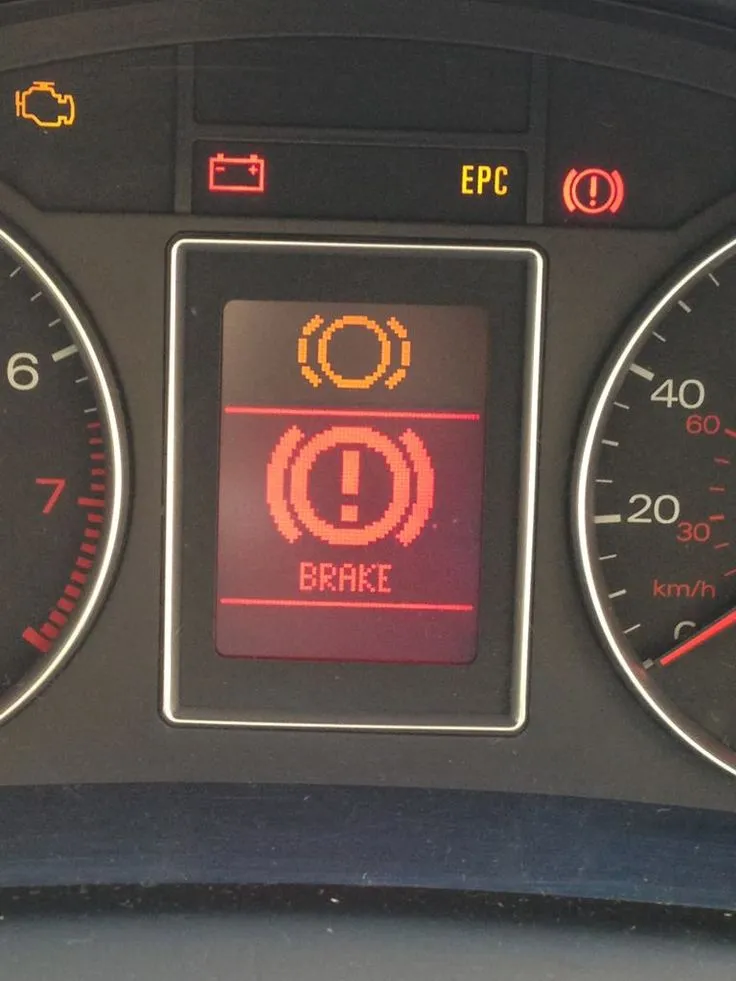
A brake warning light accompanied by reduced stopping ability, a pedal sinking toward the floor, or severe grinding should prompt immediate attention. If the vehicle cannot stop normally, pulling over safely and requesting a tow is preferable to attempting to reach a workshop under your own power.
For less severe but persistent symptoms, schedule an inspection promptly and avoid unnecessary trips until the cause is understood. Safety depends on diagnosis and proper repairs, not merely silencing a noise or resetting a dashboard light.
Conclusion
Brakes deserve attention whenever a vehicle begins behaving differently during stops. Sounds, vibration, pulling, and pedal changes are useful warning signals, but only an inspection can identify their causes. Drivers should document symptoms, follow their manufacturer’s maintenance guidance, and avoid driving when stopping performance is compromised. Motorists in Woodstock and nearby Cherokee County communities can review professional brake and general vehicle services through artofspeedga.com before arranging an appropriate inspection or repair.