

A dry home starts below your feet. Water can seep into the soil beneath a house after heavy rain, snowmelt, or a change in drainage. At first, there may be little to notice. Then comes a damp smell, a cold floor, or marks on nearby walls. These signs deserve attention. In Bensenville, changing weather can put extra pressure on home foundations. Acting early helps limit damage, protect indoor comfort, and prevent small moisture issues from turning into costly repairs.
When Dampness Takes Hold
Water does not always leave clear clues. It may gather in low spots, soak into wood, or linger where fresh air cannot move well. Over time, damp timber can weaken, metal parts may rust, and mould may grow on wet surfaces. The air inside may also feel stale. A quick clean will not fix the source of the problem. Homeowners need to find where the water comes from and why it stays. Good moisture control begins with a careful check of the whole area.
Clues Hidden Around The House
Take a slow look around the lower parts of your home. Do you see dark patches, peeling paint, soft wood, or white marks on concrete? Is there a musty smell that returns soon after cleaning? These clues can point to excess damp. Check outdoor drains, too. If rainwater flows towards the house, it may collect near the foundation. Keep gutters clear and make sure downpipes carry water away. Simple steps can help, but lasting results depend on finding the cause before choosing a repair.
Fixing The Source, Not Symptoms
When water keeps coming back, a closer inspection may be needed. Crawlspace repair services Bensenville can address issues such as standing water, damaged barriers, poor drainage, and signs of wood decay. The right plan depends on what the home needs. One property may need a pump to remove collected water. Another may need a new drain path or repairs to gaps that let damp air enter. A sound fix deals with the source, not just the mark it leaves behind. That is what helps protect the home over time.
Shield Against Ground Moisture
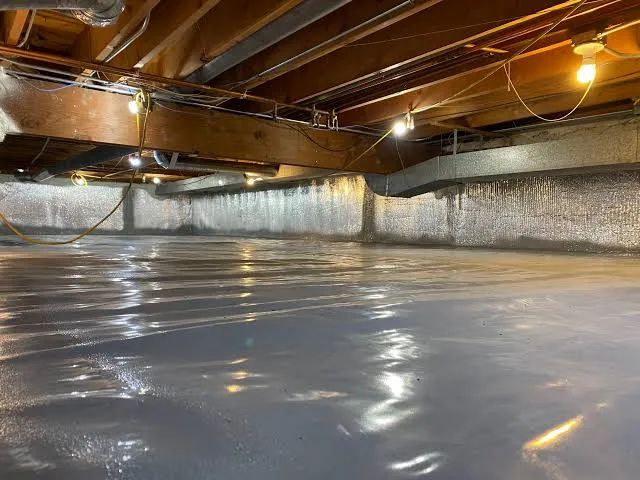
A strong barrier can help keep ground moisture from rising into the space beneath a house. Crawlspace encapsulation usually involves covering exposed soil with a durable moisture barrier and sealing suitable openings. In some homes, added insulation or a dehumidifier may also be useful. The aim is to create a cleaner, drier area that is easier to manage. Each home is different, so the materials and steps should suit the site. Proper fitting matters. Loose edges or gaps may let moisture return, even after the work seems complete.
Rainwater Needs A Clear Route
Outdoor care plays a part in protecting the foundation. Gutters should carry rain away without spilling beside the walls. Downpipes need clear outlets, while soil should slope gently away from the home where possible. Avoid piling mulch or garden soil against siding. After a storm, look for puddles that remain for hours or days. These small checks can reveal drainage trouble early. They are not a replacement for professional repairs, but they can reduce water build-up and help a sound moisture control plan work better.
Conclusion
A dry foundation supports a safer, more comfortable home. Watch for damp smells, stains, standing water, and changes in wood or concrete. These signs may seem small, yet they can point to a problem that needs care. Keep gutters clear, guide rainwater away, and seek an expert check when moisture returns. The best solution is one that fits the home and fixes the cause. With regular checks and timely action, homeowners can help protect their property through wet seasons and beyond.