

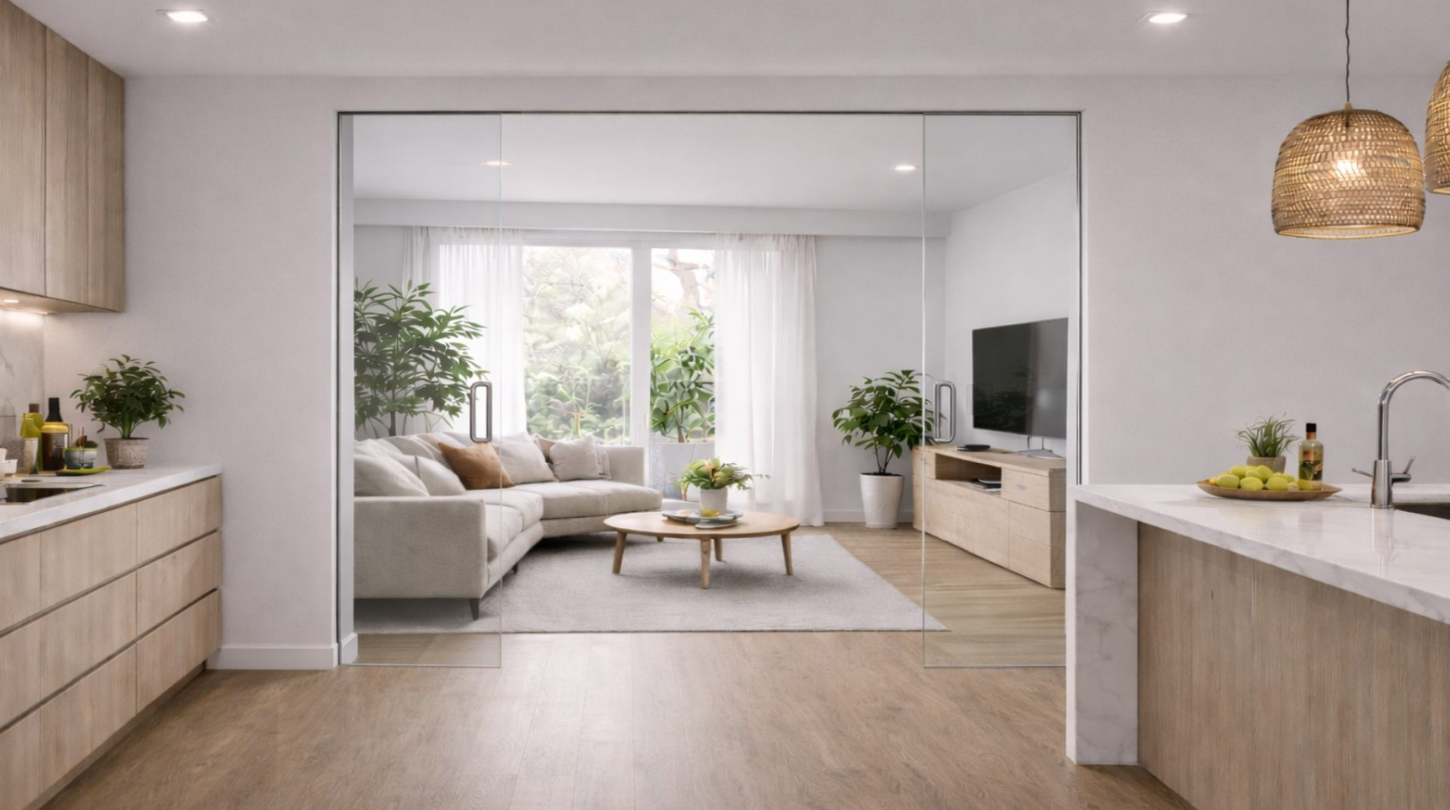
Rooms feel smaller when doors swing open into already limited floor areas. That problem shows up in apartments, offices, and even older homes with narrow layouts. A Cavity sliding door shifts the way space is used without changing the room size. It slides into the wall, which sounds simple but changes daily movement quite a bit. People notice it more after living with it for a few weeks.
Planning early saves more effort than fixing things later
This type of door needs a wall cavity built to exact measurements. Trying to add it after the walls are finished usually creates extra work and cost. A Cavity sliding door works best when included during initial design or renovation planning stages. Builders can adjust framing early, which avoids cutting into finished surfaces later. That difference shows up in both time and overall effort.
Track systems quietly decide how smooth everything feels
The sliding action depends heavily on the track and roller quality inside the wall. Cheap systems may feel rough or noisy after some use. A properly installed Cavity sliding door must slide effortlessly without abrupt stops. Much hardware minimises friction and maintains alignment in the long term. This aspect tends to be ignored, yet it has a direct impact on the daily usability.
Wall thickness and structure need careful consideration
Not every wall can support this kind of door without modification. Some walls may be too thin or carry structural loads that limit changes. A Cavity sliding door requires enough internal space to hide the panel completely. That means checking the framing type before installation begins. Failure to take this step may result in complications that are more difficult to correct in the future.
Cleaning and upkeep stay simple, but still get ignored often
Even when it does not appear outside, dust accumulates in tracks. With a fast wash here and there, smooth running is maintained. The Cavity sliding door requires minimal maintenance, and a few habits matter. Debris disregard may result in resisting or uneven motion in the long run.
Design choices can change how the door blends into interiors
These doors can either stand out or disappear into the wall, depending on the design. Some people prefer bold finishes, while others go for a minimal look. A Cavity sliding door can be painted to match the walls or finished with glass or timber. That flexibility makes it easier to fit different styles without forcing a specific design direction.
Privacy and sound depend on installation accuracy more than design
Sliding doors do not always seal tightly unless installed with care and precision. Gaps around edges can reduce sound control and privacy levels noticeably. A properly fitted Cavity sliding door can perform better in these areas when seals and alignment are done correctly. Small installation details matter more than most expect at first.
Conclusion
Space-saving solutions often come down to practical design decisions rather than complex changes. On premiumslidingdoors.com.au, you can explore how different sliding door systems fit into real layouts without unnecessary confusion. A Cavity sliding door offers a useful way to improve movement and layout in tighter spaces. Planning early, choosing quality hardware, and maintaining basic care all contribute to how it performs. If you are considering an upgrade, speak with a professional to find a solution that fits your space properly.